
A digital safety net for more consistent follow-up and discharge care
Nurtura helps healthcare teams stay connected with patients beyond hospital discharge and between appointments.
Through automated, clinically designed check-ins, structured patient assessments and clear routes to appropriate care, Nurtura supports earlier identification of concerns, timely follow-up and a more connected patient experience.
Better care doesn't end at discharge
The transition from hospital to home, or the time between clinical appointments, can leave patients with unanswered questions, emerging health concerns and uncertainty about where to turn for support. For healthcare teams, maintaining regular contact can be resource-intensive, particularly when follow-up relies on manual processes and routine telephone calls.
Nurtura helps bridge these gaps.
Through clinically designed assessments, automated check-ins and tailored patient guidance, Nurtura provides a structured approach to ongoing care. Patient responses help clinical teams identify those who may need additional attention, with clear referral pathways to support appropriate and timely intervention.
For NHS organisations, this more proactive approach has the potential to reduce avoidable readmissions, minimise routine administrative workloads and make better use of clinical resources, while improving the patient experience.
Nurtura's key features
Automated patient follow-up
Schedule structured check-ins at defined stages of care, reducing reliance on manual reminders and routine telephone follow-up. Surveys are delivered via e-mail, text or WhatsApp without having to download an app.
Clinically designed self-assessments
Capture relevant information about patients' physical health, mental wellbeing and recovery through questionnaires tailored to each clinical pathway.
Clinical dashboard and oversight
Clinicians can register patients quickly through an admin dashboard and automatically schedule a series of questionnaires. Greater visibility of patient responses, helps to prioritise follow-up and manage patients who may require additional attention.
Early identification and referral support
Flag responses that may indicate a need for further assessment and support appropriate referral or escalation through locally agreed clinical pathways.
Personalised Patient signposting
Provide patients with relevant information, resources and guidance based on their stage of care and responses, helping them understand what support is available.
Flexible pathway configuration
Adapt check-in schedules, questions, clinical triggers and referral routes to different services, patient groups and local care models.
Benefits for patients, clinicians and hospitals
Better Continuity of Care
Patients experience consistent follow-up beyond appointments and discharge, giving patients greater clarity, reassurance and support throughout treatment and recovery.
Earlier Identification of Concerns
Regular check-ins give patients more opportunities to share concerns, access relevant information and connect with appropriate support.
Reduced Administrative Burden
Automated check-ins and structured follow-up reduce repetitive tasks, freeing up valuable clinical time for direct patient care.
More Proactive Patient Management
Greater visibility of patient-reported concerns helps clinicians prioritise those needing attention and support timely referral and escalation.
More Efficient, Connected Care
Standardised follow-up across pathways supports better coordination between services, improved operational efficiency and more effective use of NHS resources.
Potential to Reduce Readmissions
Earlier identification of complications and timely intervention can help reduce avoidable readmissions, ease pressure on hospital services and support better recovery outcomes.
Maternity care: supporting continuity from pregnancy to postnatal recovery
Pregnancy, childbirth and postnatal recovery involve significant physical and emotional changes. Consistent communication and timely follow-up are essential to helping women and birthing people feel supported throughout their care.
Nurtura builds on its established use in maternity services to support a more connected approach to antenatal and postnatal care.

Antenatal support
Nurtura can support antenatal pathways through automated check-ins at agreed stages of pregnancy, providing opportunities for women and birthing people to share concerns, access relevant information and receive guidance on appropriate services.
Structured responses can help clinical teams identify patients who may benefit from additional assessment or follow-up, complementing routine antenatal appointments.
Postnatal support
Recovery after childbirth continues well beyond the hospital stay. Physical complications, mental health concerns and the effects of birth trauma may become apparent after women and birthing people have returned home.
Nurtura helps maternity teams provide more consistent postnatal follow-up through automated self-assessments designed to identify potential physical and emotional health concerns. Responses can support timely signposting and appropriate clinical follow-up, including referral to pelvic health, perinatal mental health or other specialist services where needed.
Nurtura can also help patients prepare for routine postnatal reviews by giving them a structured opportunity to reflect on their recovery and raise concerns that might otherwise go unreported.
Supporting the wider family
Nurtura recognises that pregnancy, childbirth and recovery can also affect partners. Where appropriate, pathways can include partner-focused check-ins and signposting to relevant support services.
Fertility care: ongoing support beyond appointments
Fertility treatment is often a complex and emotionally demanding journey, involving multiple appointments, investigations, treatment stages and periods of uncertainty.
Much of this journey happens outside the clinic. Patients may have questions, experience symptoms or require additional support between scheduled appointments.
Nurtura helps fertility teams maintain meaningful contact throughout the journey.
Through automated check-ins, structured follow-up and tailored information, Nurtura can support patients and partners from initial assessment through treatment and into the next stage of care.
Follow-up that adapts to each patient's outcome
Positive pregnancy test
Support a planned transition into antenatal care, with follow-up continuing at agreed stages of pregnancy.
Further treatment cycle
Restart relevant reminders and check-ins to support the next cycle, in line with local clinical, eligibility and funding requirements.
Unsuccessful treatment cycle
Provide a wellbeing check and clear signposting to counselling, emotional support and other relevant services, recognising the importance of compassionate care following an unsuccessful cycle.
Supporting patients and clinical teams
For patients, Nurtura offers clearer communication and more consistent opportunities to raise concerns throughout fertility treatment.
For clinical teams, automated follow-up can reduce routine administrative demands while helping ensure that patients requiring additional attention are identified and directed towards appropriate support.
By connecting fertility follow-up with the wider maternity pathway, Nurtura supports continuity as patients move between services and stages of care.
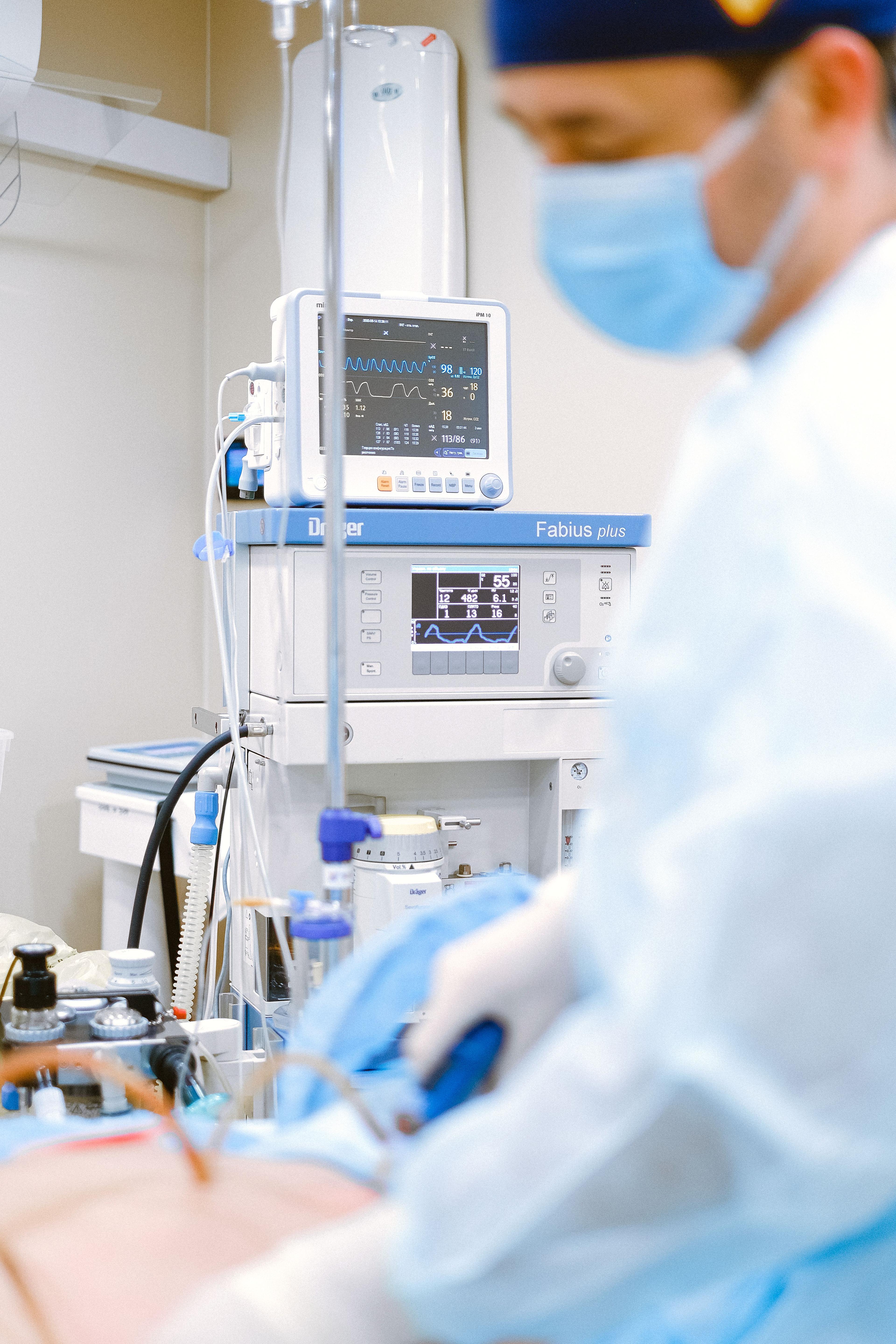
ICU and wider discharge pathways
Patients recovering from complex hospital admissions, including intensive care, may require ongoing support as they adjust to life after discharge.
Nurtura's configurable approach can be adapted to support post-ICU and other hospital discharge pathways.
Scheduled check-ins can provide patients with opportunities to report recovery concerns, access relevant guidance and be directed towards appropriate services when further assessment is needed.
Working with clinical teams, follow-up schedules, assessment questions and escalation processes can be tailored to the needs of each service.
The goal is to strengthen continuity beyond discharge, providing a more consistent approach to follow-up while helping clinical teams prioritise patients who may require additional support.
Make follow-up more consistent beyond discharge
Discover how Nurtura can help your organisation provide proactive patient follow-up, improve continuity of care and support patients throughout treatment and recovery.
Frequently asked questions
Nurtura is a digital follow-up and post-discharge support platform that helps healthcare services maintain structured contact with patients after discharge and between appointments. It combines automated check-ins, patient self-assessments, signposting and referral support to help clinical teams identify concerns and facilitate appropriate follow-up.
Nurtura is designed for healthcare organisations seeking to improve continuity of care and the consistency of patient follow-up. Its established maternity application can be extended through configurable pathways for fertility care and other clinical services, including post-discharge care.
No. Nurtura supports maternity care, but its flexible follow-up model can be configured for other clinical pathways. These include fertility support and wider post-discharge follow-up
Nurtura can provide structured check-ins at agreed stages of pregnancy and following childbirth. These help patients share concerns, access relevant information and connect with appropriate support, while giving clinical teams greater visibility of potential physical and mental health needs.
Nurtura is already being used within UK hospital settings and has demonstrated strong engagement in practice.
Nurtura can support patients from initial assessment and referral through treatment and subsequent follow-up. Check-ins, reminders and tailored information help maintain contact between appointments, with follow-up adapted to treatment outcomes and next steps.
Yes. Follow-up triggers, schedules, questionnaires and referral routes can be configured alongside clinical teams to reflect the needs of different services and patient groups.
Nurtura is designed to support earlier identification of concerns and more timely clinical follow-up, both of which are important to effective post-discharge care. Reducing avoidable readmissions is a potential benefit and we can support with evaluation within each clinical pathway and service setting.